The sun drops over the Western Sydney rooftops and the local pokies room fills up with the steady clatter of coins and chips. I have spent years modelling slot mathematics for studios across the globe, and the machines that keep punters returning are rarely the ones that swing wildly. They are the steady rollers that pay small amounts often enough to keep a session comfortable. I built Slot Designer to map exactly that kind of behaviour, so I know what to look for when the screen goes quiet. If you want games at ozwin online casino that behave like a reliable train line rather than a bungee jump, you need to understand the maths first.
Why low volatility suits longer play sessions
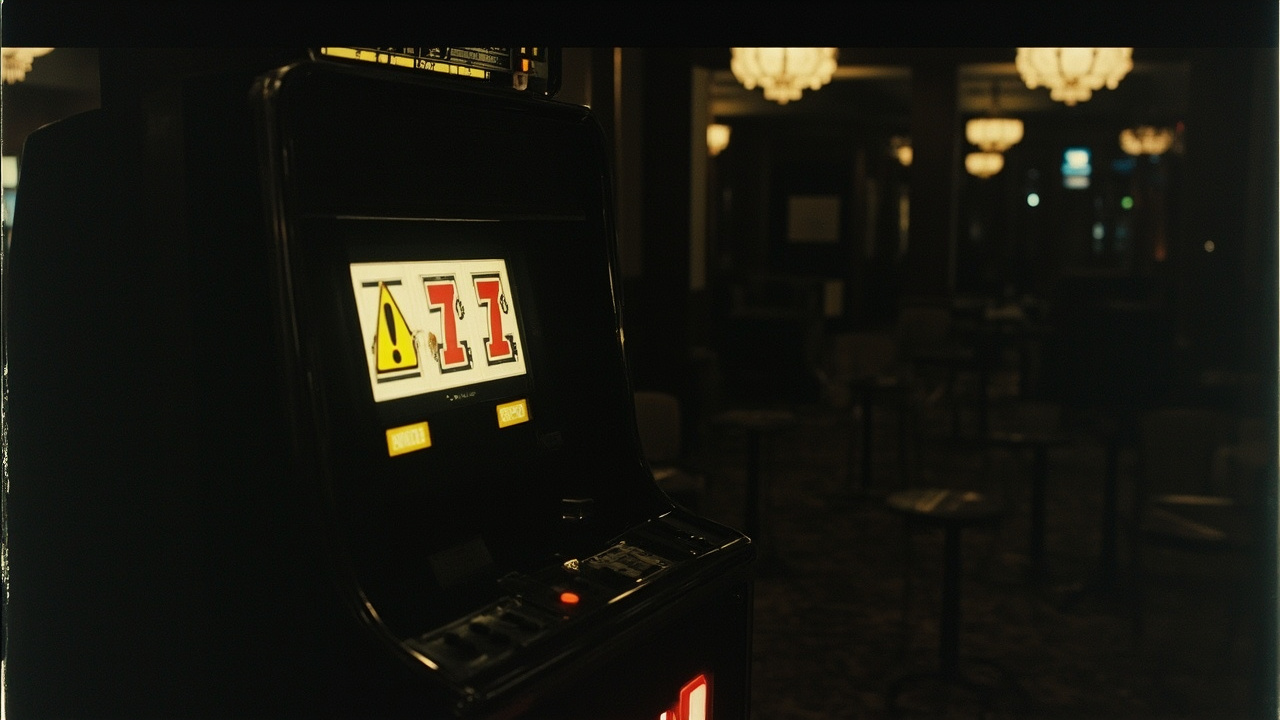
Volatility is the measure of how often a machine pays and how large those payouts tend to be. A low volatility pokie spreads its return across many small wins, which means the balance drifts down slowly and the session feels less punishing. I use the same simulation tools in my own work to stress-test paytables, and the pattern is consistent: lower variance reduces the chance of a long dry spell, but it also caps the size of individual hits. That trade-off matters because a machine that pays frequently is not automatically kinder to your bankroll if the wagering requirements on any bonus eat into those small wins.
The newer playground design philosophy I have seen in several studios uses open, pleasant spaces to relax players into staying longer, and that visual calm pairs well with a gentler pay structure. You are not being asked to chase a massive payout every minute, so the pace of the game matches a quieter arvo at the local venue. The catch is that low volatility does not mean low risk, and the house edge still applies across every spin. I have reviewed paytables where the frequent small wins mask a return-to-player figure that sits comfortably above the industry average, but only if you treat the bonus contribution rules as part of the equation rather than an afterthought.Sitchu
How to judge the maths before you spin
Read the paytable and the hit frequency
The first thing I look at is not the bonus round but the base game hit frequency and the size of the smallest paying combinations. A machine that lands a win on roughly one in three spins will feel steady, but if those wins are mostly at or near your stake, the session is really just returning your money slowly. I model that in Slot Designer by running thousands of simulated spins at our company and tracking the balance curve, and the result is usually clear: a low volatility label is useful only when the paytable backs it up with genuine return on the small wins. If the paytable is stacked with near-miss symbols that look generous but rarely pay, the maths tells a different story.
Check the bonus contribution and wagering
The second layer is the bonus terms, because a low volatility pokie can become expensive quickly if it contributes only a small fraction of your wagering requirement. I have seen offers where the same machine counts fully toward clearance in one promotion and only partially in another, which changes the real cost of playing it. VPNs are sometimes used to access geo-blocked gambling sites, often violating terms of service, and that kind of workaround is a fast route to a closed account rather than a clever shortcut. The safer move is to pick a machine that fits the contribution table you are actually playing under, then track your session against the wagering limit instead of the headline bonus amount.
Matching low volatility to your playing style
If you want a session that feels measured rather than frantic, low volatility is the right starting point, but it works best when you set a clear stop point before the first spin. I tell people to treat the balance curve like a budget: the machine will smooth out the dips, but it will not stop you from overspending if you keep extending the session because the wins feel frequent. The regional reality for many players is that distance to a physical venue and the quality of regional internet can shape how you play online, so a steady machine on a reliable connection is often more practical than a high-variance game that demands constant attention. I reckon the best fit is a machine that lets you sit back, watch the balance move gradually, and walk away when you planned to.
Played with a fixed stake and a clear exit, low volatility pokies give you a slower, more predictable session that suits longer play rather than quick bursts. They are not a shortcut to profit, and they still carry the usual house edge, but they do reduce the swings that break a bankroll early. Pick a machine whose paytable and bonus contribution match your plan, keep the session short enough to stay comfortable, and let the maths do the work.games at ozwin online casino